

There are significant differences between thin film panels and traditional panels in terms of structure, process, and application performance. Users often face the challenge of balancing functionality, durability, and cost when choosing a control panel. Understanding the essential differences between the two is an important prerequisite for developing a reasonable selection plan.
From a structural perspective, the thin film panel is made by stacking multiple layers of flexible materials, with the outer layer usually made of polyester or polycarbonate film material. The surface is printed with silk mesh to form graphic and textual labels, which have certain wear resistance and protective properties. Traditional panels are mostly made of hard materials such as glass, metal, PVC, etc., with a heavy structure that relies on mechanical buttons or knobs for operation.
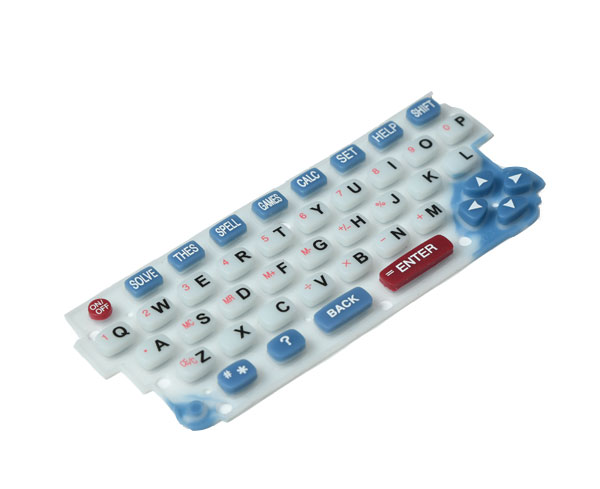
In terms of operation, film panels are usually used in conjunction with film switches, with an integrated design, fast pressing response speed, and lighter operation. However, the traditional panel operation method is relatively primitive and requires signal input through physical components, resulting in a gap between response speed and operational sensitivity.
From the perspective of weather resistance, film panels have good dust, water, and corrosion resistance characteristics, and are suitable for harsh industrial environments such as high humidity, high temperature, and high dust. Traditional panels require additional protective covers or sealing structures, which limits their usage conditions.
In terms of installation and maintenance, the film panel adopts a self-adhesive back adhesive structure, which is easy to install and does not require screws to fix. However, traditional panel structures are complex, with longer installation and maintenance cycles and relatively higher costs.
For industrial application scenarios that focus on control efficiency, installation convenience, and long-term stability, thin film panels have more advantages. Its lightweight structure, long lifespan design, and highly integrated features have made it widely adopted in industrial automation equipment, instrumentation, machine tool control systems, and other fields.
Address:Room 601, Building 9, No. 180, Maozhushan Road, Changping Town, Dongguan City, Guangdong Province, C
Domain:meitong17.com
E-mail:zhangjianfei@dgkdmembrane.com